
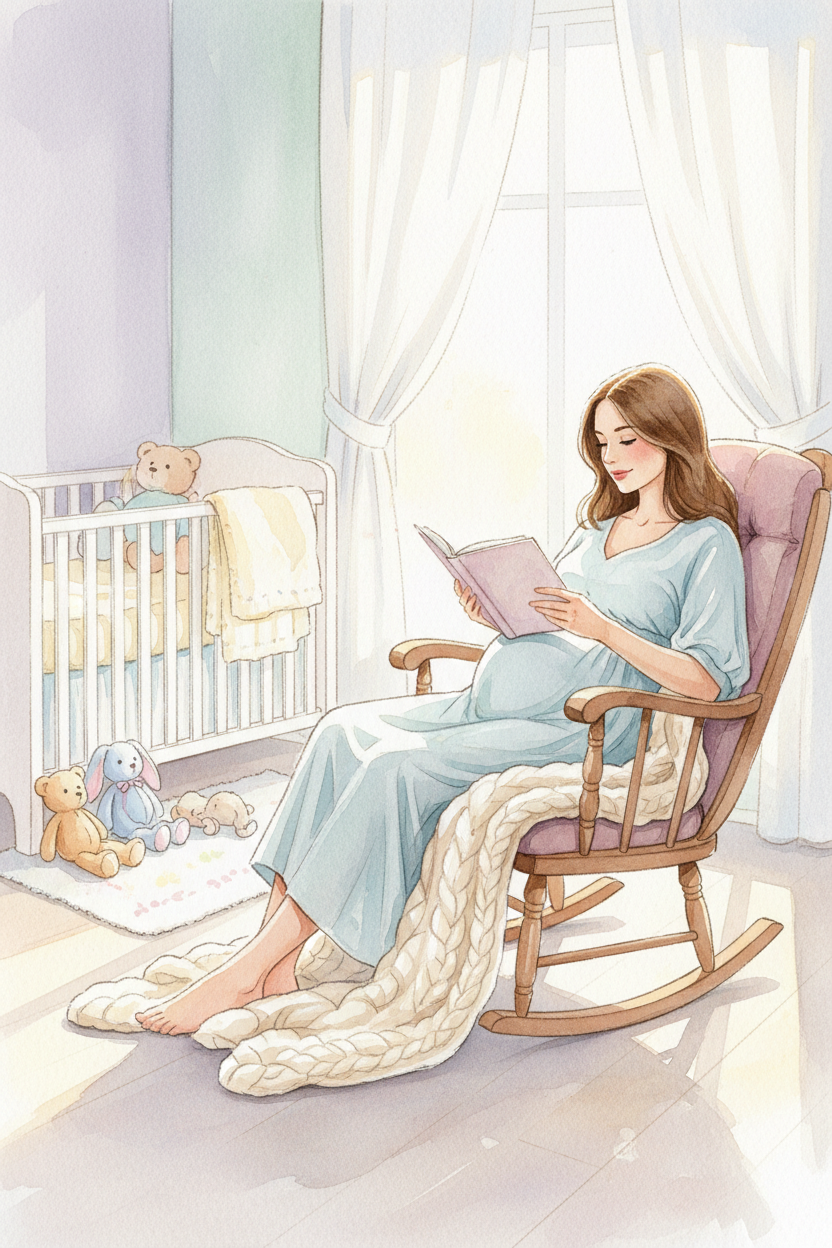

Key Highlights
-
Reading to your baby in the womb is beneficial for early literacy development, reading, emotional connection, language development, and healthy brain development.
-
It helps create a bond between parent and child, stimulates brain development, and promotes a love for learning.
-
Reading to your baby in the womb can start as early as six months along, when the baby begins to recognize sounds from outside the womb.
-
Customizing your reading selection for your baby's personal growth is important and can include a of books, including board books and nursery rhymes.
-
The role of artificial intelligence (AI) in creating personalized children's books is becoming increasingly popular, allowing parents to create unique and tailored reading experiences for their unborn babies.

Introduction
From before your child is born, nurturing their mind through prenatal reading is a wonderful way to kickstart their language development. Introducing the sound of your voice and the gentle cadence of stories brings the outside world closer to your unborn baby. This practice not only enhances their brain development but also fosters an emotional connection between you and your little one. Join us in exploring the art of reading to your baby in the womb and laying the foundation for a lifelong love of books.
The Importance of Early Literacy Development
Reading to your baby in the womb holds significant importance for early literacy development. Prenatal reading not only stimulates brain development before birth but also fosters an emotional connection through the sound of your voice. This personalized learning experience sets the stage for language development, introducing your unborn baby to the outside world through different sounds and stories, ultimately laying the foundation for healthy brain development and a love of books.
How Reading Stimulates Brain Development Before Birth
Reading to your baby in the womb has a profound impact on their brain development. The sound of your voice while reading stimulates the baby’s brain, fostering healthy brain development even before birth. Research suggests that prenatal reading can positively influence a baby’s fetal heart rate and promote early language development. By engaging in this activity, you are not only creating an emotional connection but also laying a strong foundation for your baby's literacy skills. This early exposure to language sets the stage for a lifelong love of books and learning.
Creating a Bond Through Stories: Personalized Learning Begins in the Womb
Reading to your unborn baby in the womb is a heartwarming way to forge a deep emotional connection and kickstart their language development. It’s a fantastic opportunity to introduce them to the sound of your voice and the outside world. By reading nursery rhymes or stories, you are creating a special bond with your little one even before they arrive. This personalized learning experience not only nurtures a bond between you and your baby but also sets the stage for future literacy skills.

Customizing Your Reading Selection for Baby’s Personal Growth
Selecting books tailored to your baby's interests helps enhance their language development and cognitive abilities. Opt for board books with vibrant illustrations, nursery rhymes with lyrical cadence, or stories that resonate with you. These choices not only introduce your unborn baby to the outside world but also nurture a love for books early on. By exposing your baby to different sounds and tones, you're laying the foundation for their literacy skills and fostering a strong emotional connection through story time.
Selecting Books That Reflect Your Child's Individuality
When choosing books for your unborn baby, consider ones that mirror your child's uniqueness. Opt for board books with diverse sounds and textures to engage their developing senses. Nursery rhymes can introduce different tones and rhythms to the baby’s brain, aiding in language development. Personalized stories can create an early emotional connection between you and your baby, laying the foundation for a love of books. AI-driven customized books can enhance this experience by tailoring content to match your child's individuality.
The Role of AI in Creating Personalized Children’s Books
Artificial Intelligence (AI) plays a crucial role in crafting personalized children’s books tailored to individual preferences. By analyzing data on a child's interests and learning patterns, AI algorithms generate unique storylines and characters that captivate young minds. This innovative approach not only fosters a love of reading but also enhances language development by catering to the specific needs of each child. AI-powered personalized books offer a creative and interactive way to nurture a child's literacy skills right from the womb, setting a strong foundation for lifelong learning.

The Science Behind Reading to Your Baby in The Womb
Reading to your baby in the womb may seem like a simple act, but it has profound effects on their development. Scientific studies have shown that unborn babies can hear sounds from as early as 18 weeks of pregnancy. This means that when you read to your baby, they can hear your voice and the words you speak. The sound waves generated by your voice travel through the amniotic fluid and reach your baby's ears.
Research has found that reading to your unborn baby can have a positive impact on their fetal heart rate. Listening to a familiar, soothing voice, such as the mother's, can cause the baby's heart rate to lower, promoting a sense of calm and relaxation.
Not only does reading to your baby in the womb create a soothing environment, but it also helps them become familiar with the sounds of the outside world. As they hear the rhythm and cadence of your voice, they begin to recognize patterns and develop an early sense of language.
Understanding How Babies Learn in Utero
The womb is not a silent environment for babies. In fact, it is a place where they start the process of learning and development. From a very early stage, babies can hear sounds from the outside world, including their mother's voice. As they listen to their mother's voice reading or singing, their brain begins to make connections and process the information.
The baby's brain is constantly developing throughout pregnancy, and this includes the auditory system. By reading to your baby in the womb, you are stimulating their brain and helping them build neural connections. This early exposure to language and sounds lays the foundation for future language development and communication skills.
The Benefits of Introducing Language Early
Introducing language early through reading has numerous benefits for your baby. It helps in their language development, as they become familiar with the sounds and patterns of words. This familiarity with language can lead to an expanded vocabulary and better communication skills as they grow.
Reading to your unborn baby also creates a positive association with books and reading. When they are born, they already have a sense of comfort and familiarity with the reading experience. This can make them more receptive to books and learning in general.
Additionally, reading to your baby in the womb can create a special bond between parent and child. The shared experience of reading together promotes closeness and attachment, which is beneficial for both the baby and the parent.
A Guide to Starting Your Reading Routine
Starting a reading routine with your unborn baby is a wonderful way to bond and promote early language development. Here are some tips for getting started:
- Choose a quiet and comfortable environment for your reading sessions.
- Set aside dedicated time each day to read to your baby.
- Select books that have rhythmic and melodic sounds to engage your baby's senses.
- Use different voices and expressions to make the reading experience more engaging.
- Involve other family members in the reading routine to strengthen bonds and create a sense of familiarity for the baby.
- Be consistent with your reading routine to establish a habit and make it a regular part of your daily life.

When to Begin Reading to Your Unborn Child
You can start reading to your unborn child as early as 18 weeks of pregnancy when they can hear sounds from the outside world. However, many parents find it easier to establish a reading routine closer to the end of the second trimester or the beginning of the third trimester.
Bedtime can be a great time to incorporate reading into your routine, as it helps create a relaxing environment for both you and your baby. The gentle rhythm of your voice can soothe your baby and prepare them for sleep.
As your baby bump grows, you can also place a book on your belly and let your baby feel the vibrations as you read. It adds a tactile element to the reading experience and further enhances the connection between you and your baby.

Tips for Integrating Reading into Your Daily Schedule
Integrating reading into your daily schedule doesn't have to be complicated. Here are some tips to make it easier:
- Choose a specific time each day for your reading session, such as during naptime or before bedtime.
- Create a cozy and comfortable reading area where you and your baby can relax together.
- Keep a selection of books nearby so that you can easily grab one when it's time to read.
- Use reading as a way to wind down before naptime or bedtime, creating a calming and soothing atmosphere.
- Make reading a regular part of your daily routine, so it becomes a habit for both you and your baby.
- Experiment with different reading positions, such as sitting or lying down, to find what works best for you and your baby.
Related Reads
Stay Cool: Summer Pregnancy Tips for New Moms
Enhance Parent-Child Bonding with Baby Talk Techniques
Conclusion
Reading to your baby in the womb is a fantastic way to kickstart their language development and foster an early love of books. Starting this routine early can positively impact your baby's literacy skills and create a strong emotional connection even before they are born. By immersing your unborn baby in the sound of your voice and different sounds from story time, you are providing them with a great foundation for healthy brain development. Begin this beautiful journey of prenatal reading today for a brighter tomorrow.
Frequently Asked Questions
What Are the Long-term Benefits of Reading to My Baby in The Womb?
Reading to your baby in the womb has long-term benefits that extend beyond the prenatal period. It helps develop early literacy skills, instills a love of books, strengthens the emotional connection between parent and child, enhances vocabulary development, and provides a solid foundation for language and communication as your baby grows into a toddler and beyond.
How Can I Make Reading More Engaging for My Baby?
Reading to your baby in the womb can be made more engaging by incorporating different sounds, such as using different voices or imitating animal sounds. Repetition is also a great way to capture your baby's attention and reinforce learning. The closeness between you and your baby during these reading sessions creates a special bond and promotes emotional connection.
Are There Specific Types of Books Recommended for Babies in The Womb?
There are no specific types of books recommended for babies in the womb, but board books are a popular choice due to their durability. Nursery rhymes and books recommended by pediatricians are also great options. These books provide a rhythmic and melodic listening experience for your baby and introduce them to language patterns and storytelling.
How Does Personalized Learning Impact My Baby’s Future Education?
Personalized learning through reading to your baby in the womb creates a strong foundation for their future education. It promotes the development of literacy skills, such as language recognition and comprehension, and sets them on a positive educational journey. The attachment formed through personalized learning enhances their overall learning experience.
Can Reading Aloud Help Reduce Maternal Stress?
Yes, reading aloud to your baby in the womb can help reduce maternal stress. The act of reading provides relaxation for the mother and promotes emotional connection with the unborn baby. The soothing sound of your voice during reading sessions creates a calming environment and allows you to bond with your baby.
How Does LearningTime Canada Customize Books for My Baby?
LearningTime Canada specializes in customizing books for your baby. They recognize the importance of celebrating your baby's individuality and creating a unique reading experience. With LearningTime Canada, you can customize books that reflect your baby's interests, preferences, and developmental needs, making reading a great time for both you and your baby.
Is There an Ideal Duration for Reading Sessions While Pregnant?
There is no ideal duration for reading sessions while pregnant. The focus should be on incorporating regular reading sessions into your routine to promote healthy brain development and attachment with your baby. You can start with shorter sessions and gradually increase the duration based on your comfort and your baby's response.